


After attending my first Conchological Society of Great Britain and Ireland meeting at the Natural History Museum earlier this year, I stayed behind for a chat with Elliot Newton from Citizen Zoo where the German Hairy Snail project was first proposed. From its inception, the project included further partner organisations, Zoological Society of London, Greenspace Information for Greater London, Port of London Authority, London Wildlife Trust, and other voluntary and community groups, including Cody Dock.
The German Hairy Snail (Pseudotrichia rubiginosa) is a land snail which tends to be found on flotsam along rivers. In the UK, the snail is considered nationally rare and near threatened, being known only from sites along the Thames in Oxfordshire, the tidal Thames in West London, the Roding, and the Medway.
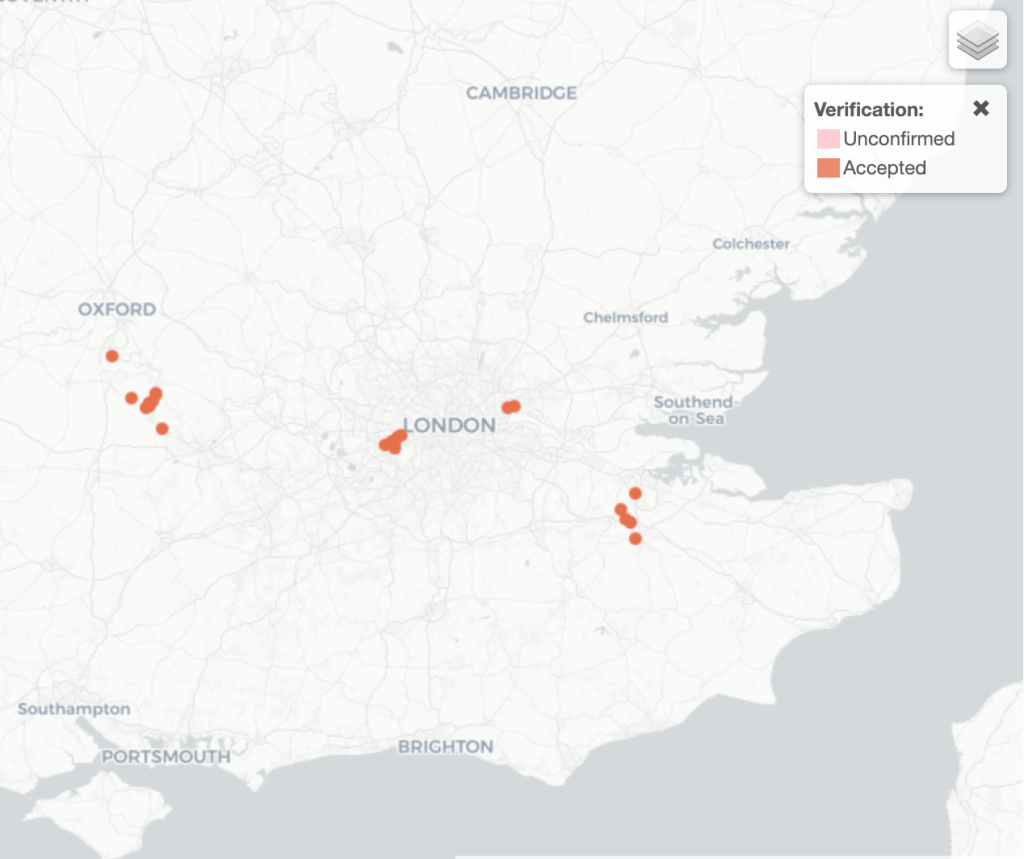
(Last accessed 23 November 2025)
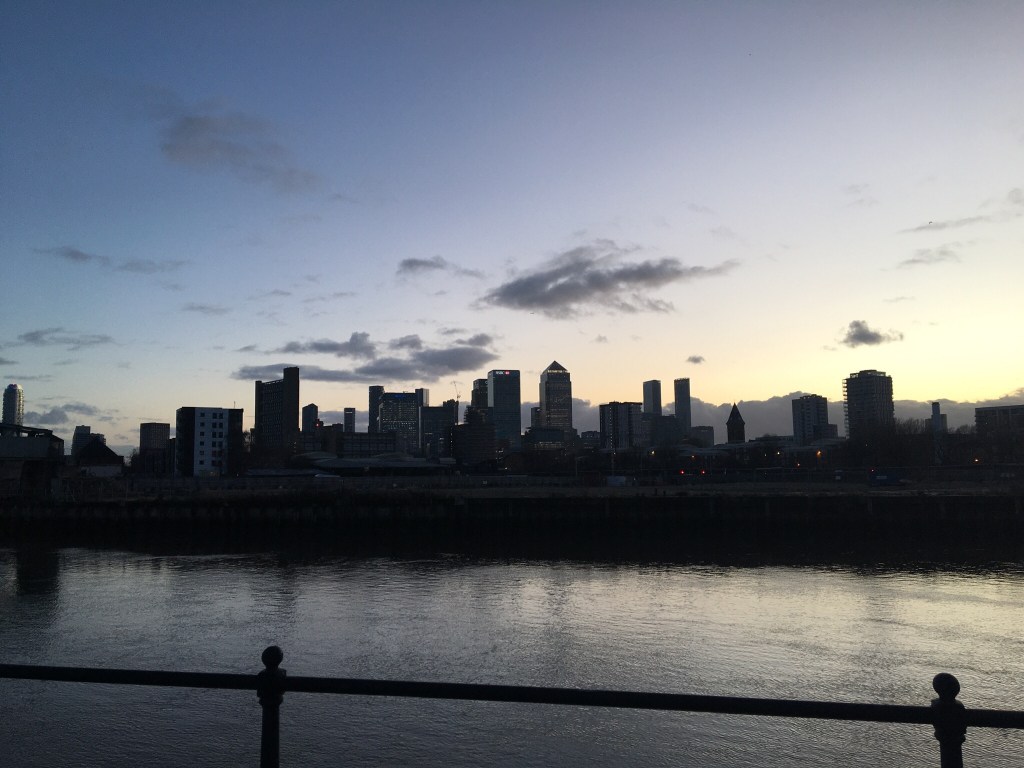
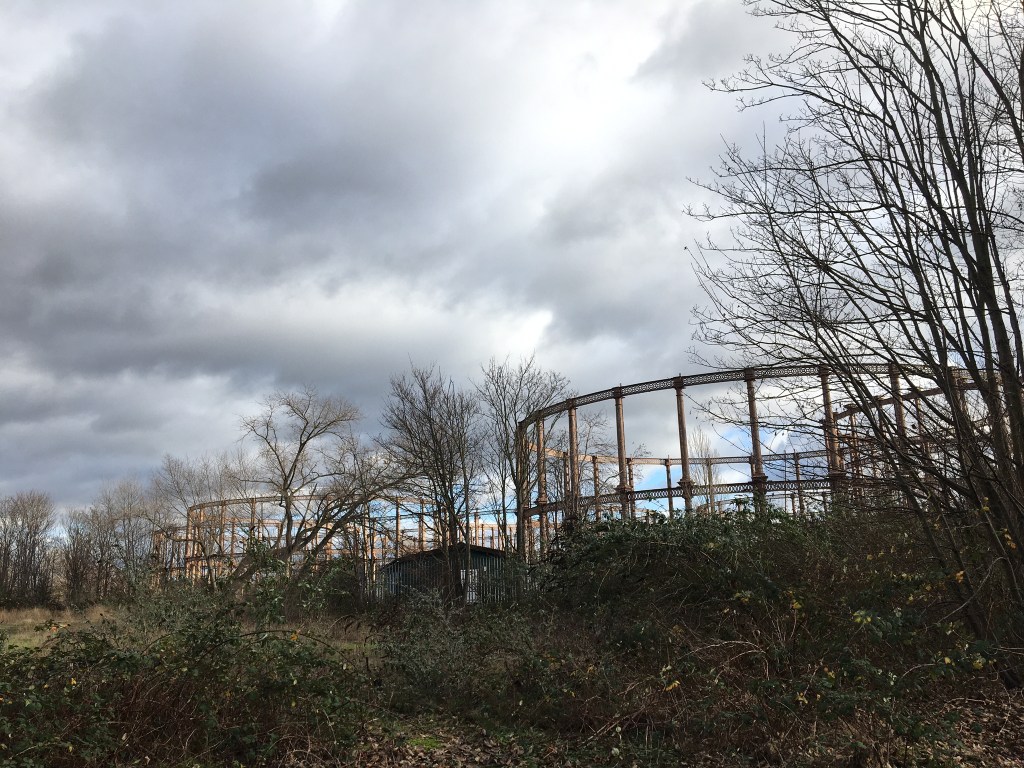
Hearing the descriptions of habitats where the snail had been found, in both recent and historical sites, I decided that a couple of places near Cody Dock might serve as interesting survey sites. The first, which I thought most likely, was along the banks of what remains of the Channelsea River. The Northern bank of this tidal stretch of water has some fantastic Crack Willow (Salix fragilis) trees, and as such, dead wood and leaf litter tend to collect at the high tide mark. The other site, which seemed more optimistic, was behind the reed bed on the tidal Lea just outside Cody Dock, where scrubbing over had been ongoing for some time.
Once all the partners had been approached, a training day was organised at Syon House – a site in Brentford on the Thames where the snail was known to be found. On the North bank of the Thames, the property was kept as a grazing marsh with many Poplars, Willows, and Swamp Cypress amongst the drainage ditches, an area which the groundskeeper described as “the result of 500 years of benign aristocratic neglect”. Here, we got the opportunity to learn more about the life history of the snail and to trial and hone the survey methodology.

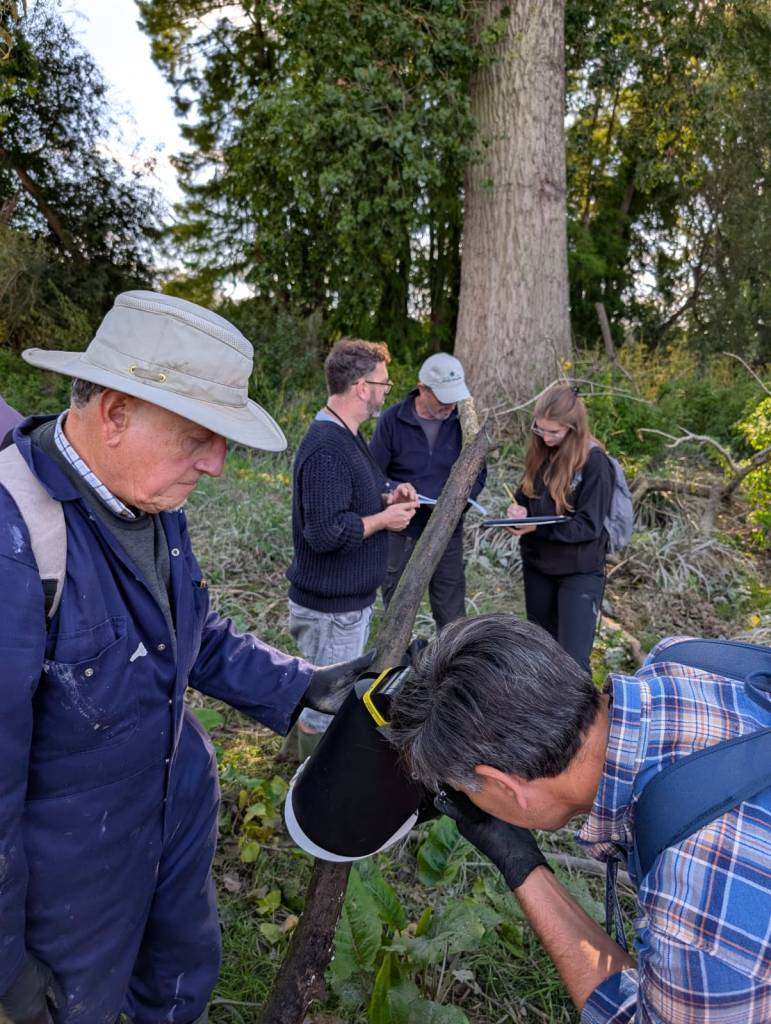
The Conchological Society prepared a handy identification guide to German Hairy Snails (and some lookalikes to be aware of), which can be found here. It was a brilliant day, and every participant found a few of the target snail species, as well as a selection of others, which, if not identified in the field, went off to be confirmed by Dr Ben Rowson from the National Museum of Wales. We left Syon House optimistic that we might find these snails in our survey area near Cody Dock.
With volunteers in wellies and hi-vis vests, we then set out to survey the two sites that we had previously considered. At the first site, on Channelsea, we almost immediately found German Hairy Snails in our first 10m2 plot. We then surveyed another 4 plots and found the snails in every one of them, with a grand total of 97 recorded at the site! However, our second site, behind the reeds on the tidal Lea, did not produce any German Hairy Snail records.
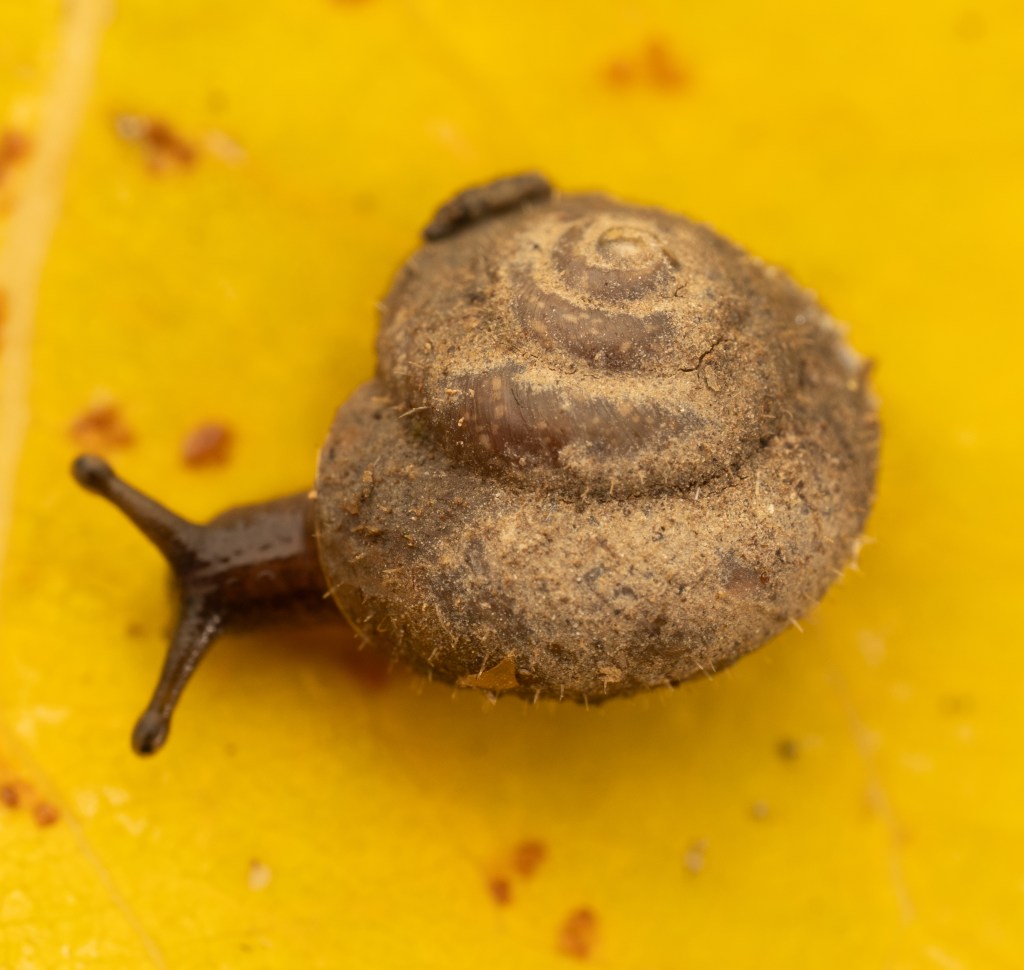
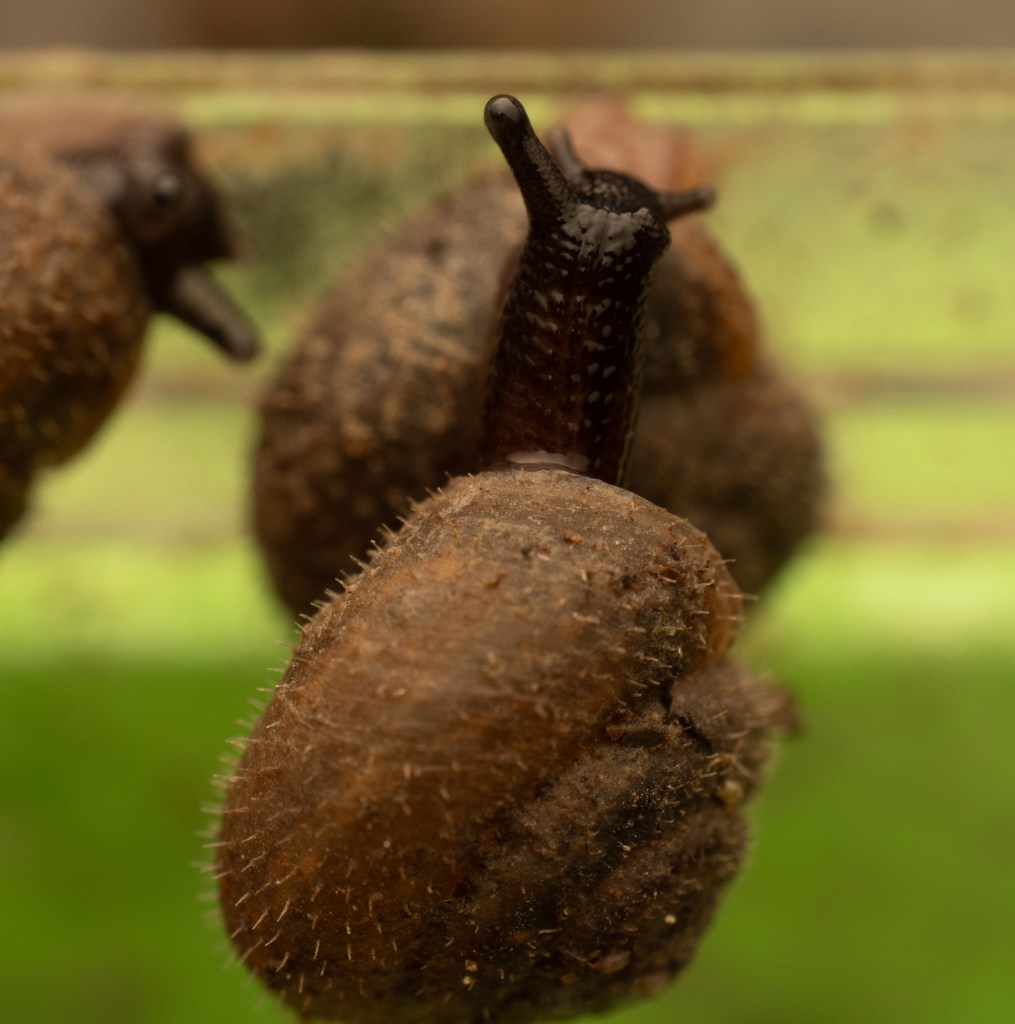
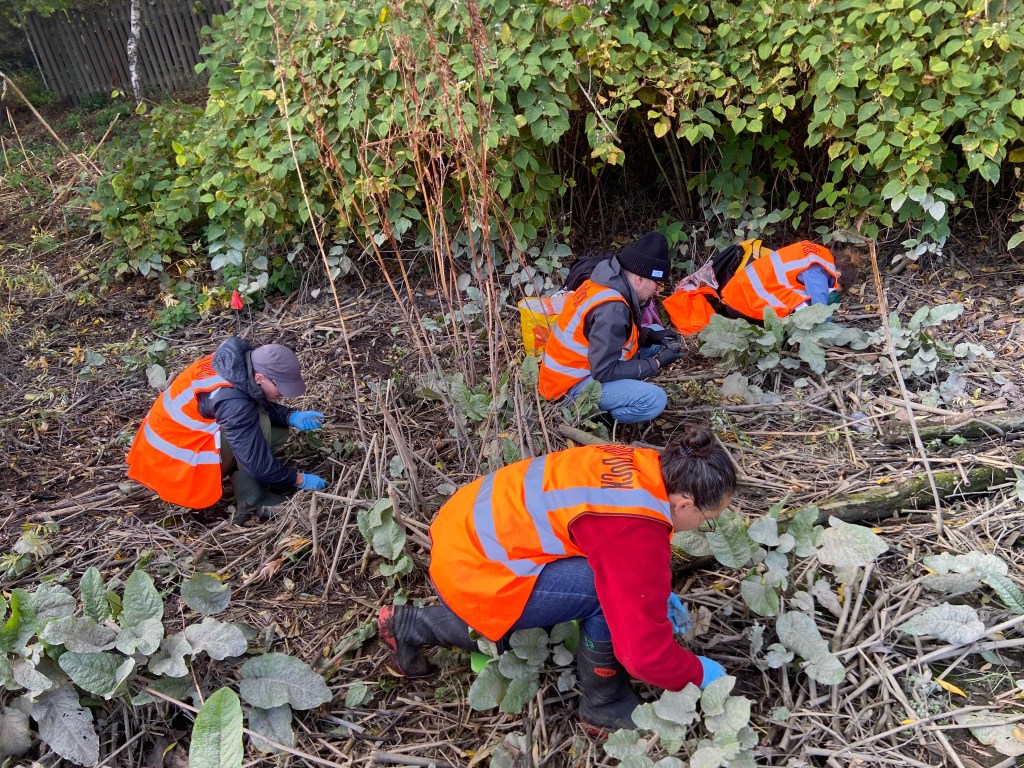
It was wonderful to be involved with this project. Many thanks to everyone who helped with the project design and coordination, and to all of our eager volunteers who made the days out in the field so much fun. I am delighted that we were able to add a new site to the distribution maps for this species and hope that these records can support further conservation action along the Channelsea River. I am also very much looking forward to seeing the results from all the other partners involved in the search for this adorable little creature.
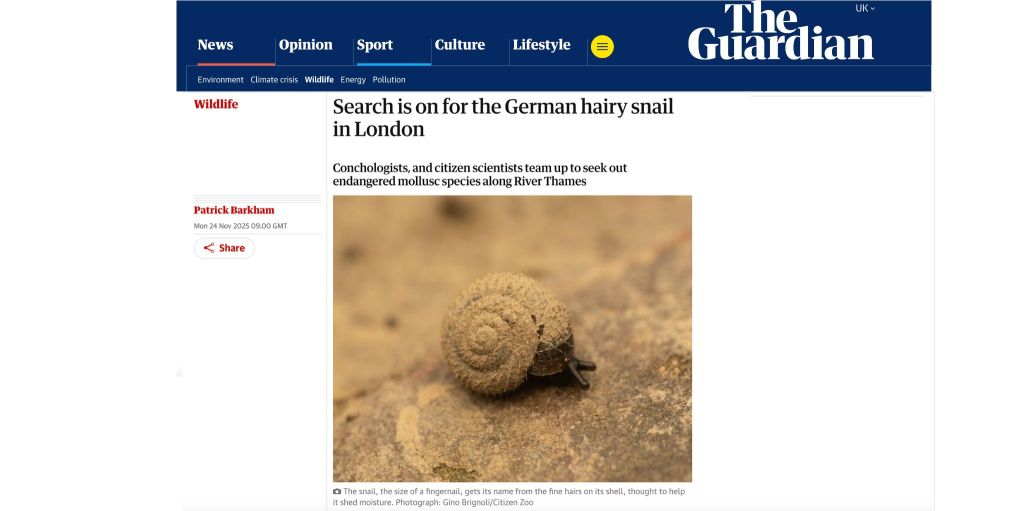
Update 24 November 2025: The Guardian newspaper has run an article on the German Hairy Snail project. Follow this link to read the piece.
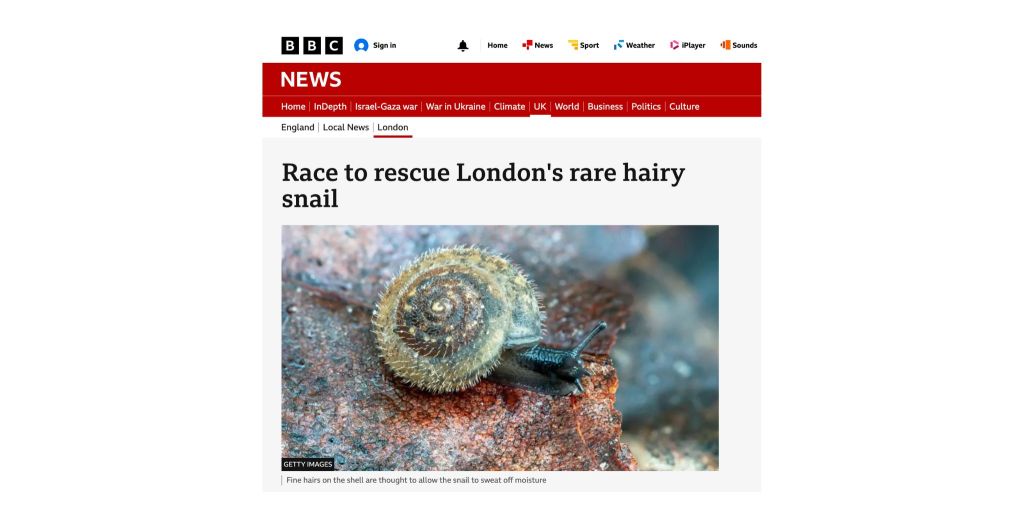
Furrther update 24 November 2025: The BBC news website has also run an article on the German Hairy Snail project. Follow this link to read the piece.



 Ecology Field Notes