

It has been a whirlwind few months. In March 2026, I moved from London to Glasgow to take up a new role at Glasgow Museums as Collections Officer (Biological Data). I’ve been very excited about taking on the role where I am now responsible for managing the Glasgow Museums Biological Records Centre, through collating, validating, and verifying biological data for the Glasgow City Region (covering 8 local authorities).
This also means that I will be working closely with data providers such as recording schemes and societies, Biodiversity Officers, Coutryside Rangers, environmental organisations, and members of the public to keep the database up-to-date. With over 1.3 million records currently held in the database and with growth expected to be around 50,000 new records per year, this is no mean feat. For my first few months in post, I have been familiarising myself with the database and getting to grips with not only a new city and a new country, but also new software systems. It has been a very steep learning curve, and I am very grateful to everyone who has helped out with Recorder 6 queries, field excursions, and introductions to all the right people.
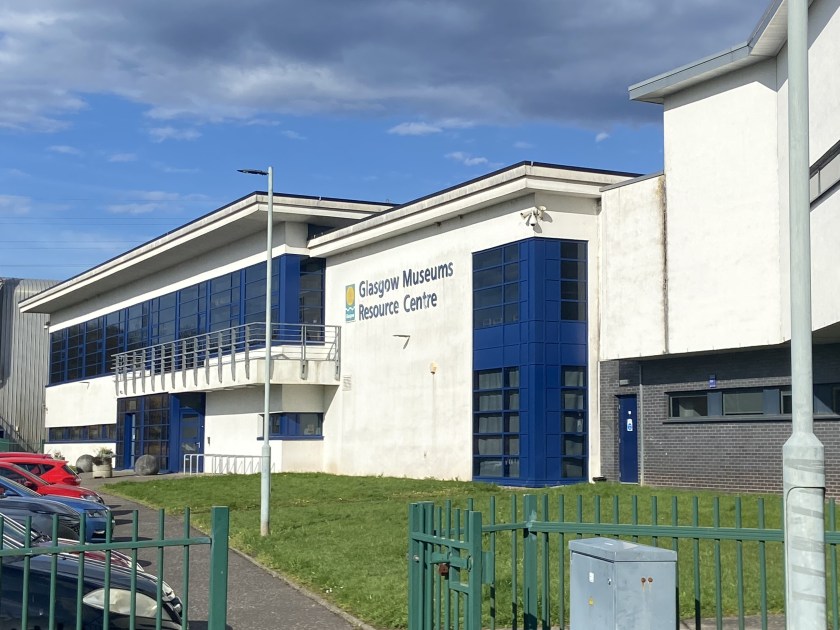
Over the last couple of weeks, my focus shifted from database management to prioritising the delivery of commercial enquiries. The previous pricing structure and commercial offer have been updated so that they are now in line with other Local Environmental Records Centres. This phase of the job is all customer-focused. I have been running some explorative searches from the database and will be meeting with multiple stakeholders to discuss how these data can be used for planning, conservation, research, and public engagement.
In relooking at the offer, I also realised that some of the workflows could be streamlined through using the R programming language and have been working on coding scripts for reporting functions and managing queries.
When not at my desk and behind a screen, I have been getting out to visit green spaces in and around Glasgow with Richard Sutcliffe’s excellent (though sadly now a tad out of date) guidebook as reference. I have only scratched the surface of all the places to visit, but I have been struck by the clear ecological differences between the Scottish lowlands and Southeast England. The climate is obviously cooler and wetter here, and with very different geology as well, come different habitats and therefore different invertebrate species and assemblages.
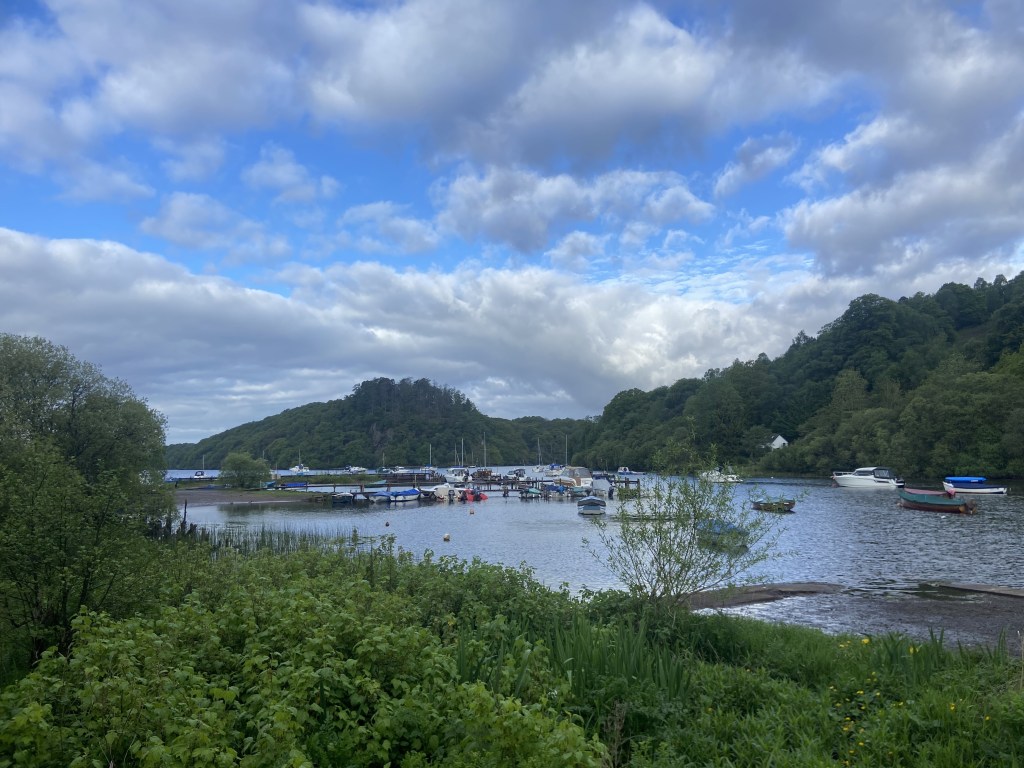
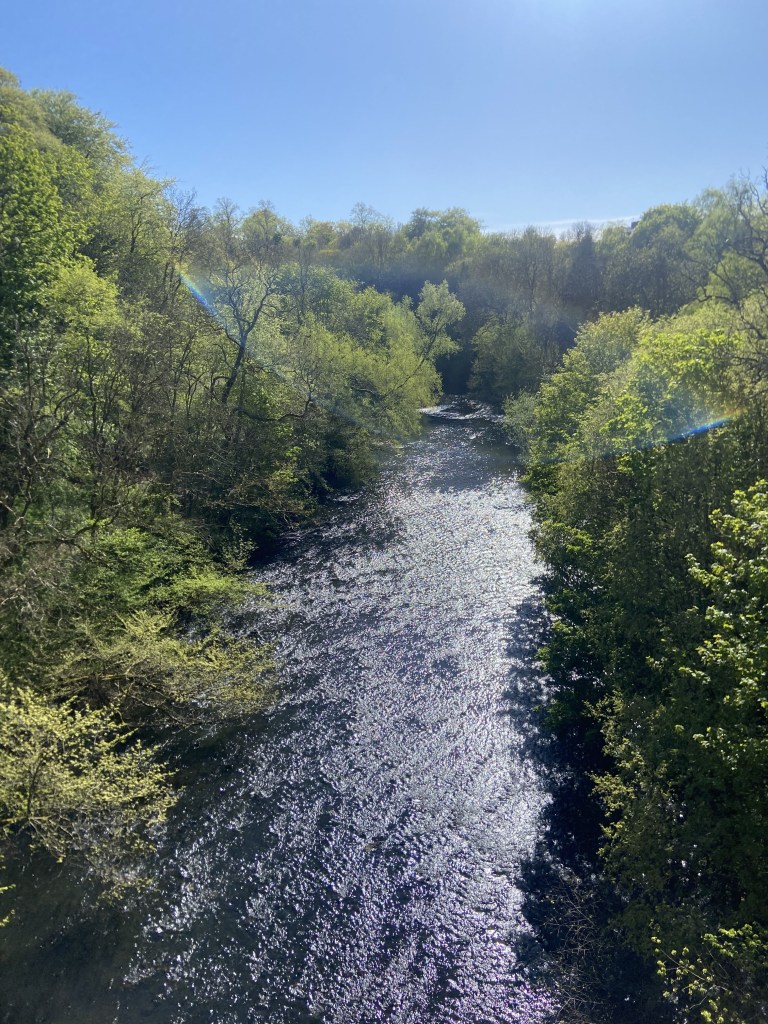
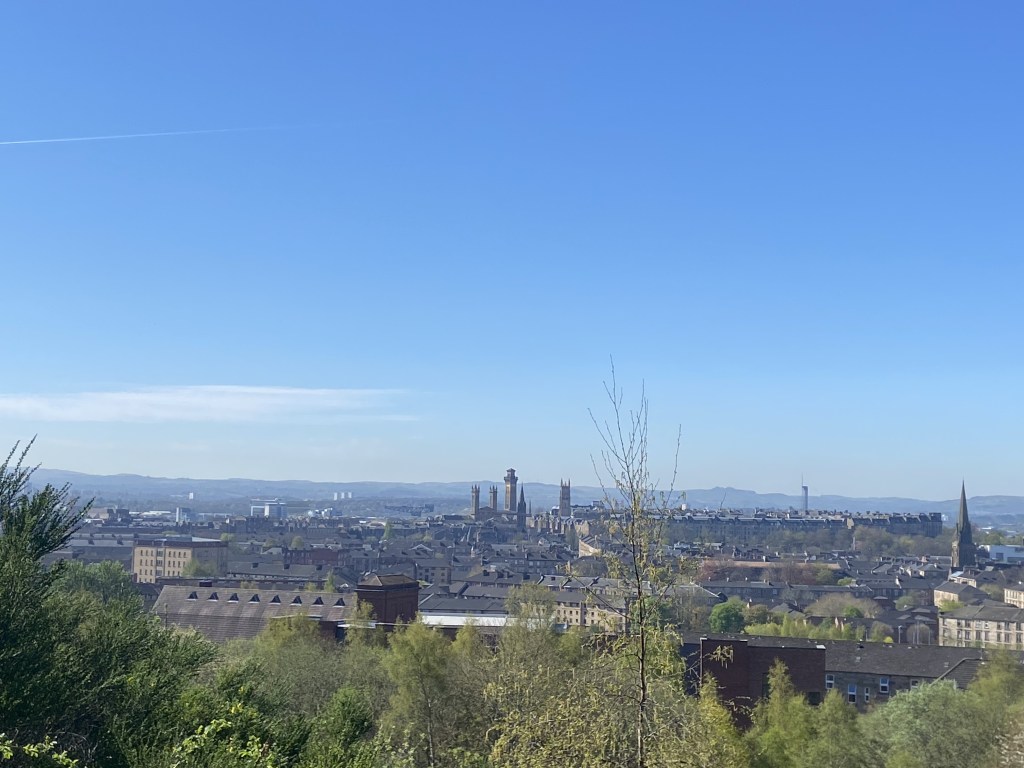
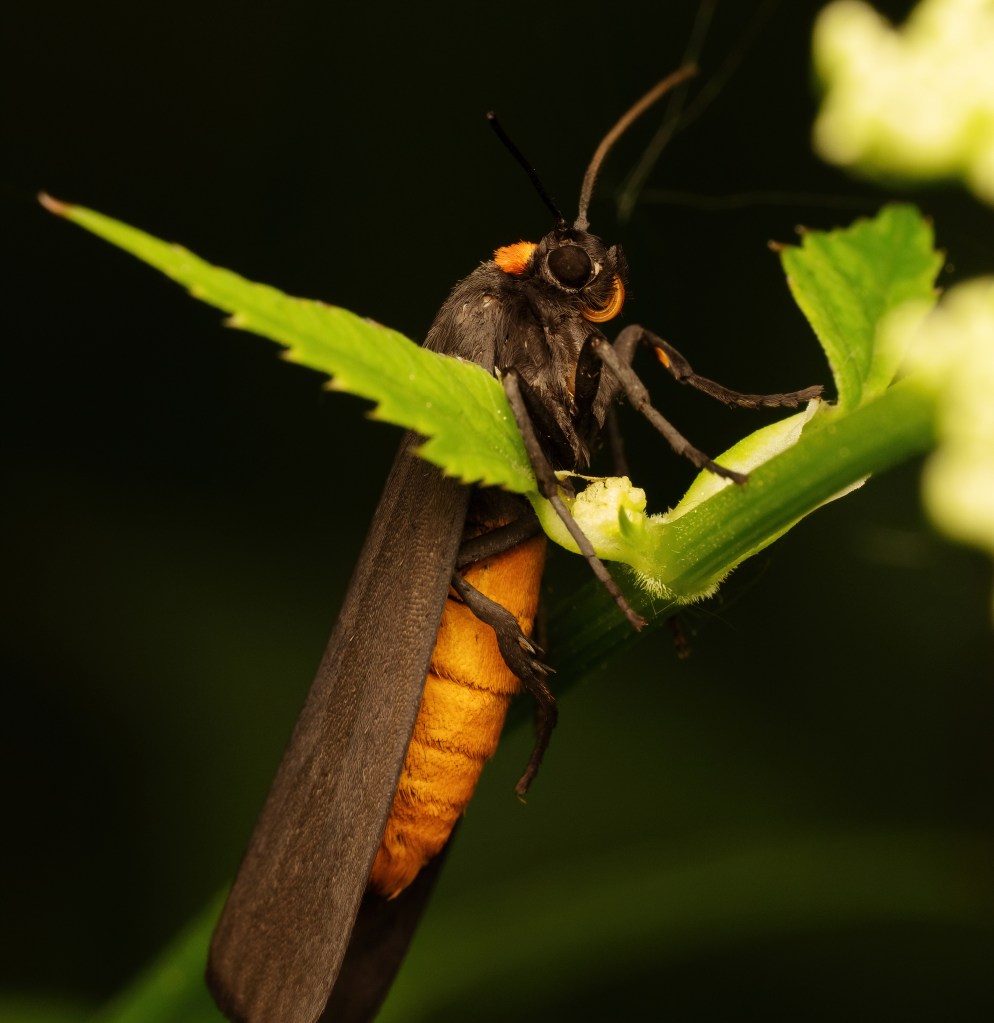
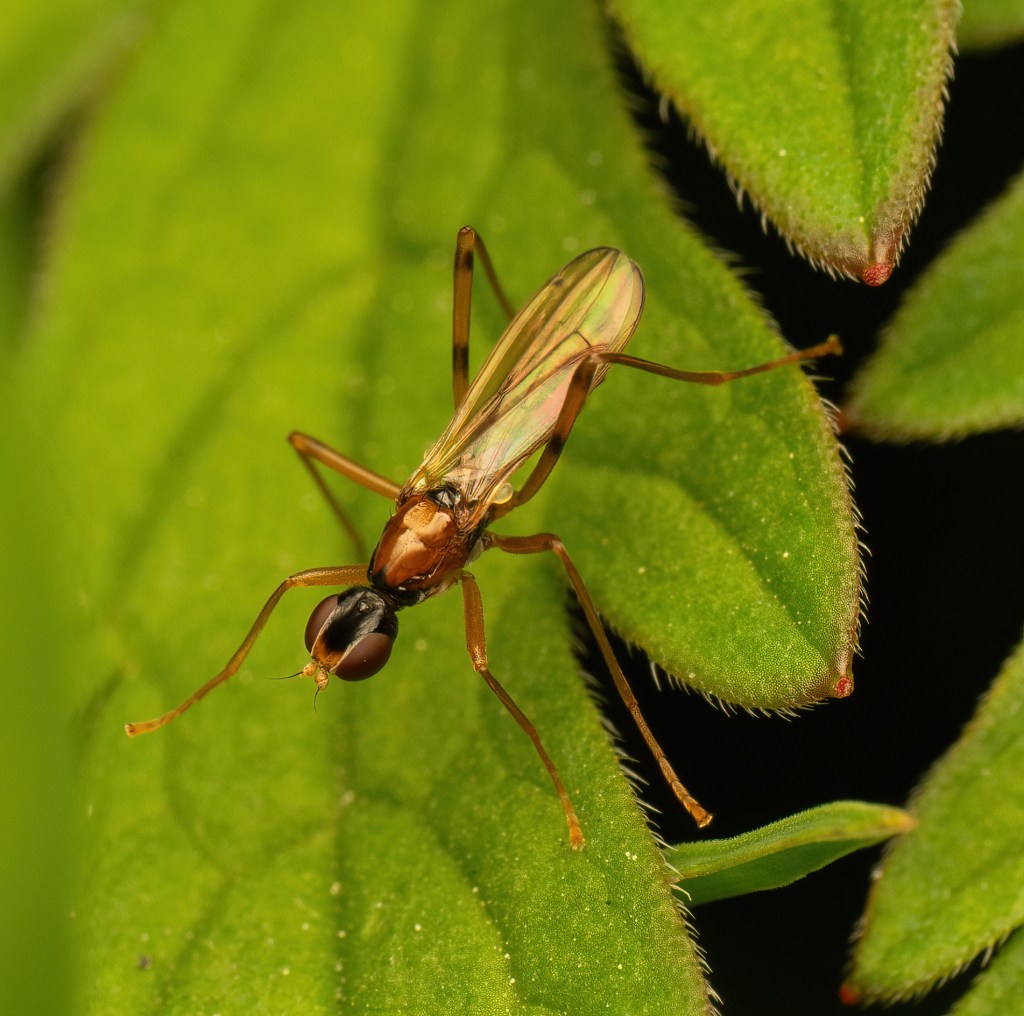
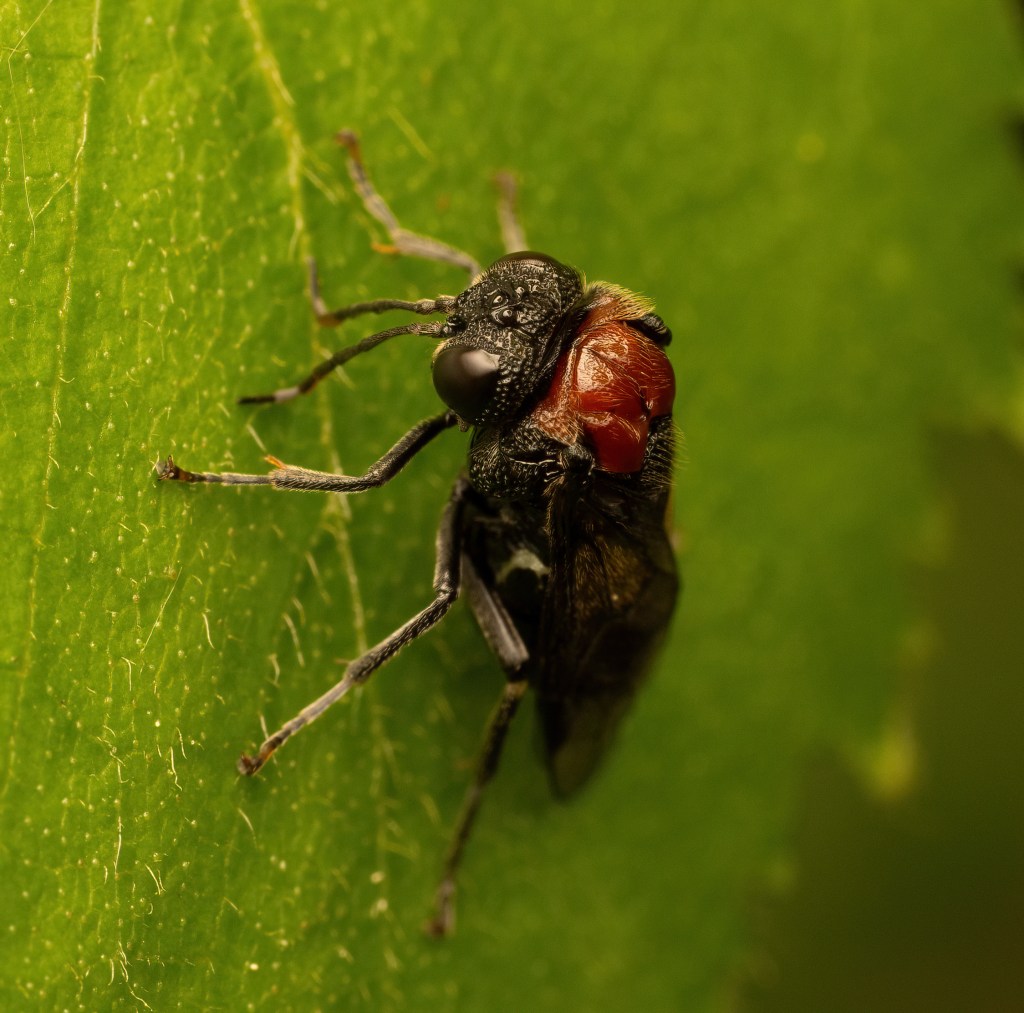
I’m still figuring all this out, but it does mean that I can fairly easily find new lifers when I’m out in the field (or on a lunch break). And, as climate change effects are causing Northward range shifts in invertebrate species, it is also possible to find species newly arrived in the area.
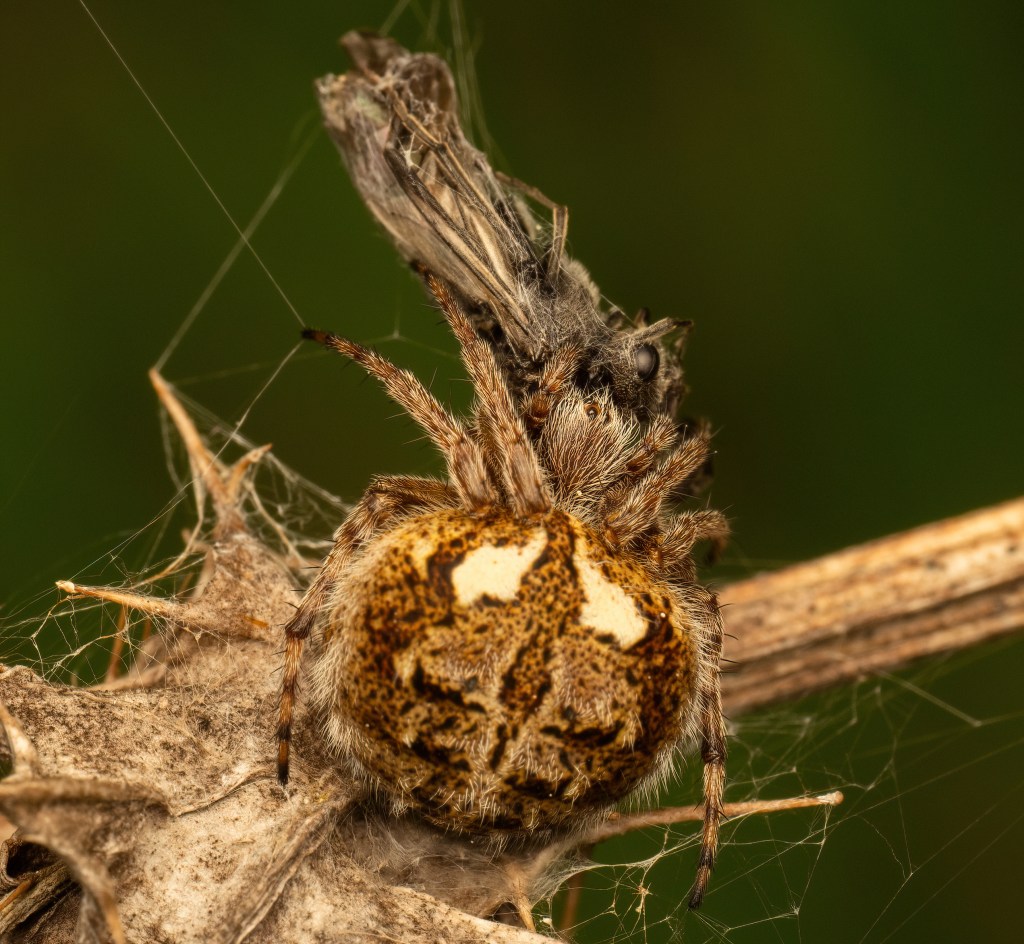
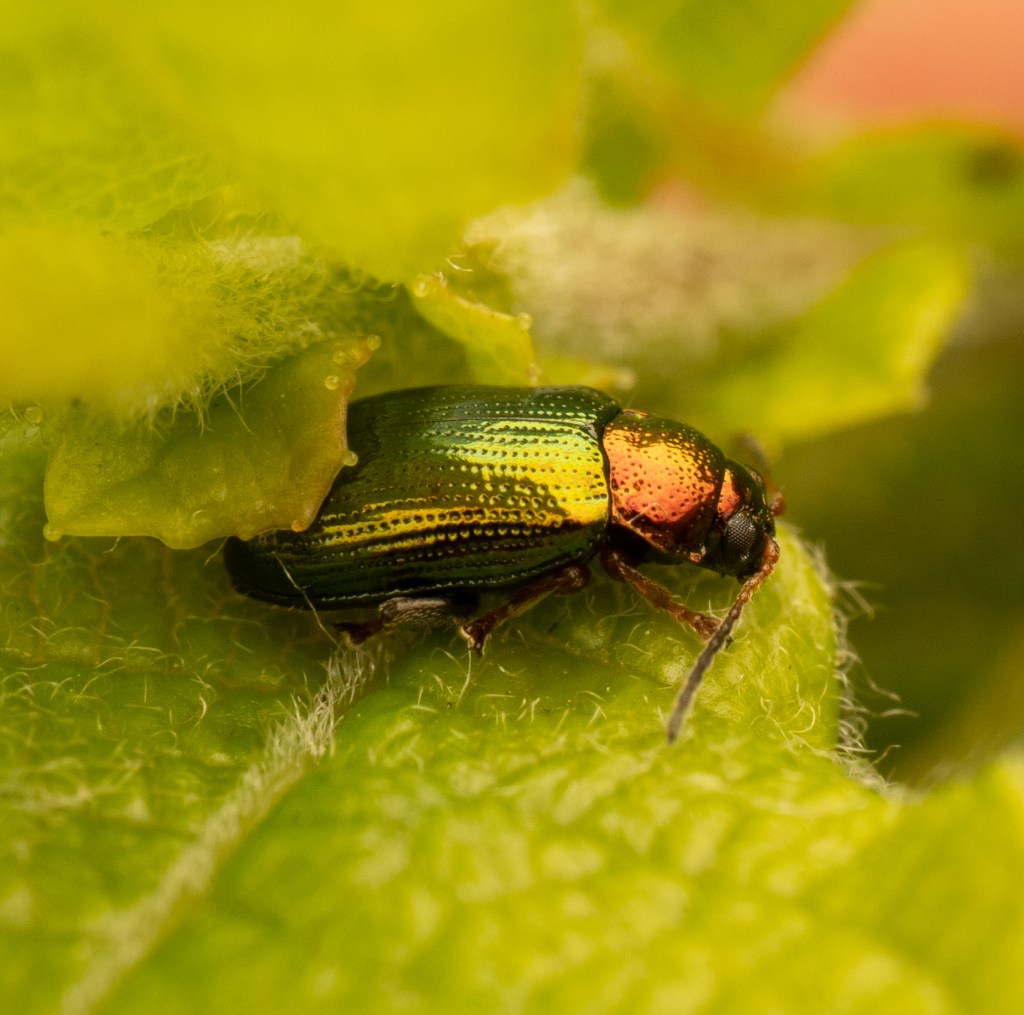
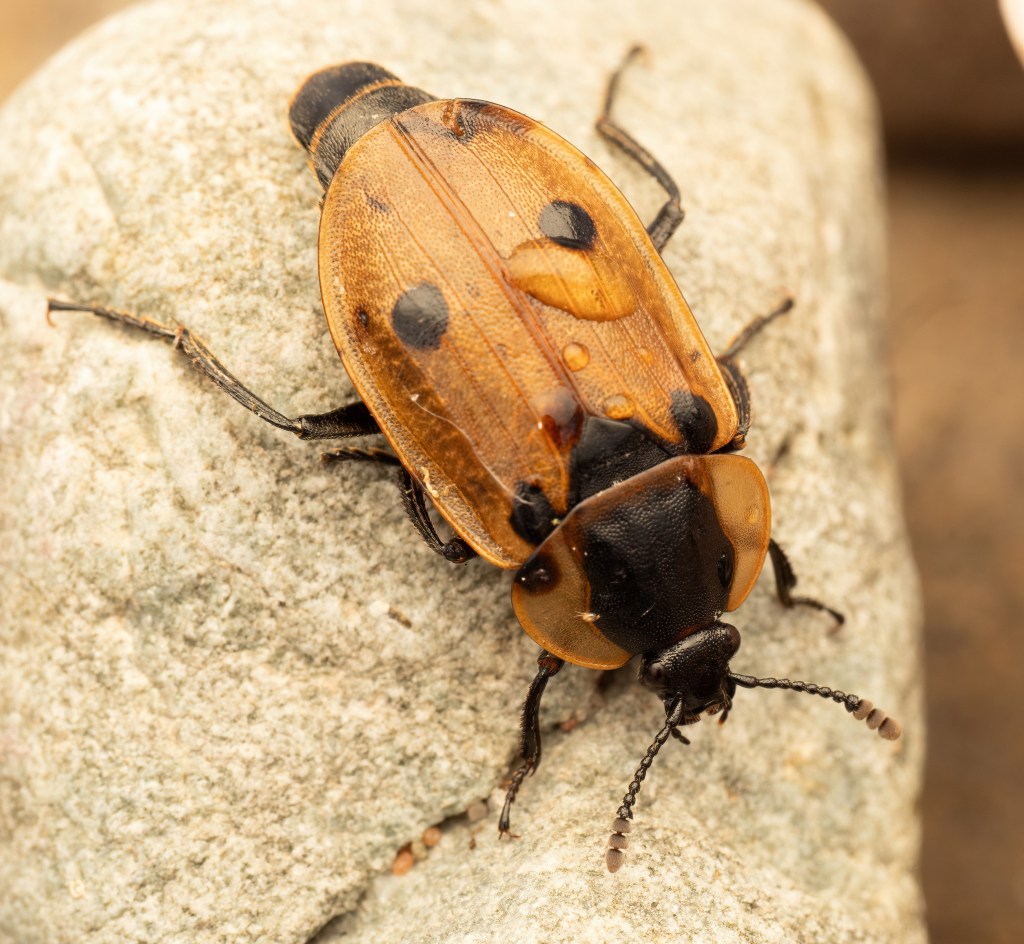
(Dendroxena quadrimaculata)
I’m planning a short trip back to London soon, but am so pleased with the new job and am excited to see where my Scottish adventure leads.


